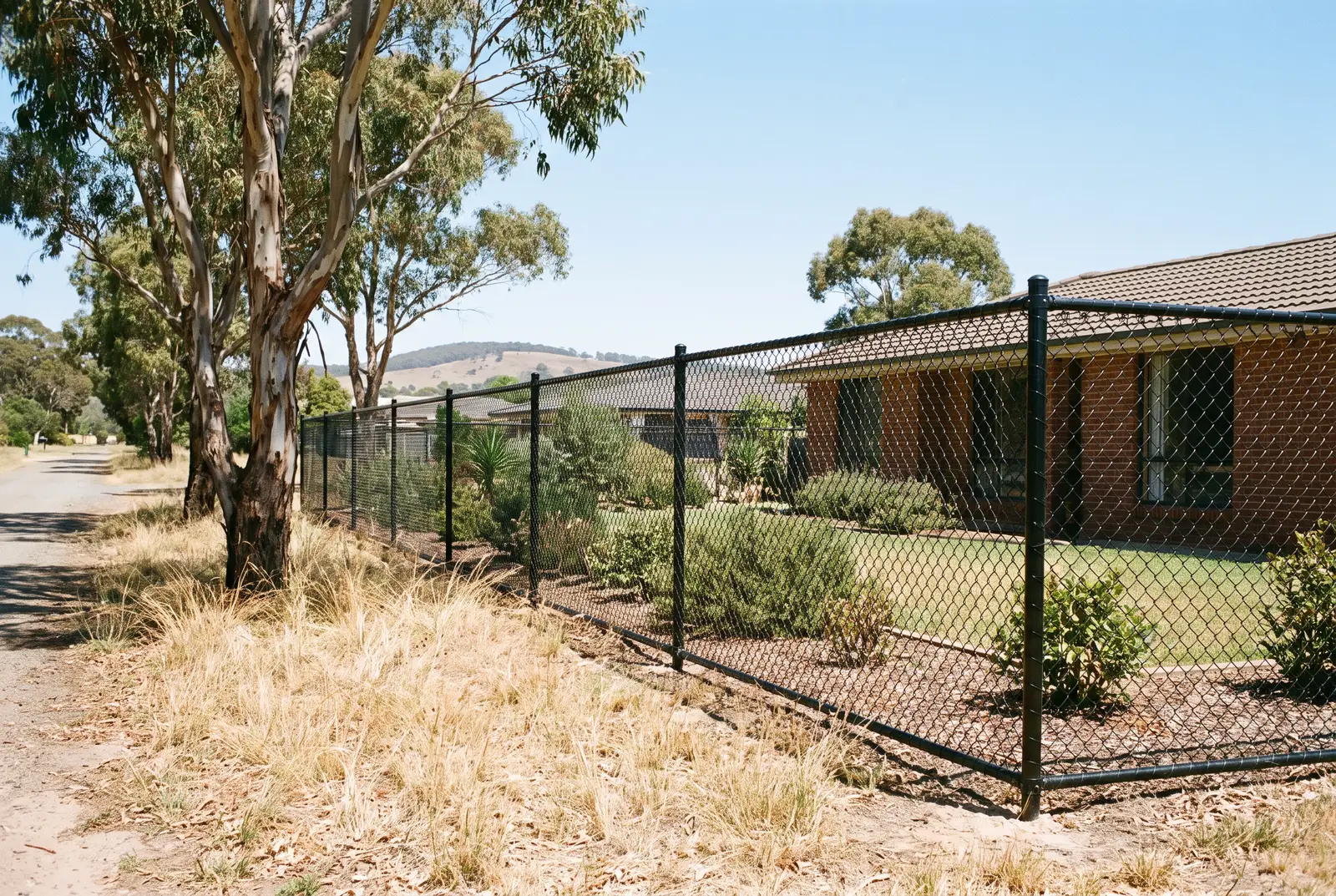
In the Newcastle region, burning vegetation in the open is generally prohibited unless your council or the EPA approves it, and where a fire permit is needed it comes after that approval (or, for a hazard-reduction burn, after a Bush Fire Hazard Reduction Certificate), with a Total Fire Ban still suspending it.
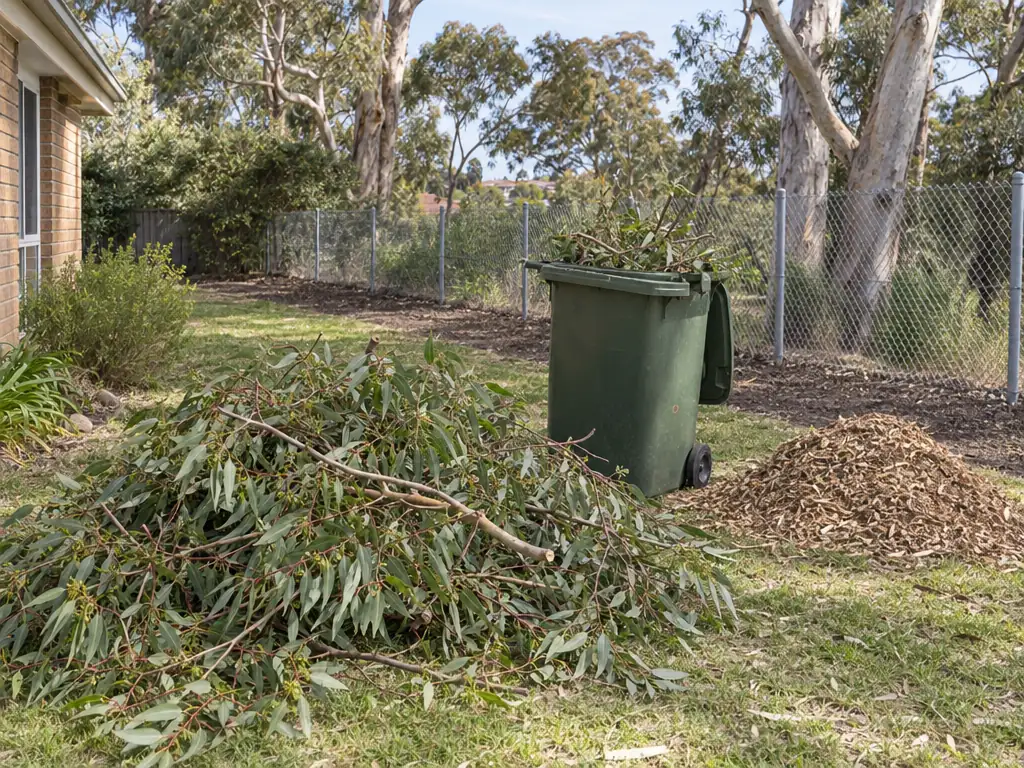
On a suburban block in Newcastle or Lake Macquarie, the first question is not which permit you need. It is whether you can burn at all. For many blocks the honest answer is no, and the prunings from the fence line have better places to go. This guide covers the limits that decide it, how far you can clear, what should stay off the fence, and what to do with the waste instead.
For garden waste, the EPA's default is no. Open burning of vegetation and domestic waste is generally prohibited at all times in the Newcastle region, and approval from a council or the EPA is the exception. The EPA sets out which areas that covers council by council, so check whether yours is listed before you plan anything.
Newcastle City Council's listing points hazard-clearing burns to a different route. They need a Hazard Reduction Certificate instead of the council approval. Other councils handle it their own way. For Cessnock, check Cessnock Council's open burning page rather than relying on a general rule.
If you do clear that bar, the permit itself is a separate step. The RFS fire permits page sets out who needs one, how to apply and what it asks of you.
Cooking fires are a different matter. Fire pits and barbecues need no EPA approval, but only dry seasoned wood, LPG, natural gas or proprietary barbecue fuel is allowed, and councils can act on excessive smoke.
Our view at Aardvark Chainwire Fencing: if your block does not clearly qualify, don't burn.
On a Total Fire Ban day
| Activity | On a Total Fire Ban day |
|---|---|
| Fire permits | all suspended |
| Hazard Reduction Certificates | all suspended |
| Hot works in the open (welding, grinding, gas cutting) | not allowed |
| Solid-fuel barbecues and pizza ovens | banned |
As reported for the 21 September 2026 Hunter ban; certificate row from the RFS as quoted by the NE Times.
Source: Maitland Mercury; NE TimesA ban stops more than a burn-off. The Maitland Mercury's report on the 21 September ban across Hunter councils listed all permits suspended and no hot works (welding, grinding, gas cutting) in the open, and said solid-fuel barbecues and pizza ovens are banned. The NE Times reported the RFS saying that on Total Fire Ban days all Hazard Reduction Certificates are suspended.
For fence work, welding a gate hinge or grinding a post in the open waits for another day. Check the ban status on the morning, every time.
The 10/50 rule is measured from the house, not the fence. In a designated entitlement area, you may clear trees within 10 m and underlying vegetation within 50 m of a home, and you measure from the building's external wall. A tree on your back fence can sit well outside 10 m, depending on how far the house is from the boundary.
Two limits apply. You may clear only your own land, and if you rely on a neighbour's building you need that neighbour's written consent. The RFS also says to check the online tool on the day and keep the result.
Rural holdings have a second tool. Under the Rural Boundary Clearing Code, rural-zoned, bush-fire-prone holdings may clear vegetation within 25 m of the holding boundary on their own side, without approval. Most suburban blocks will use the 10/50 rule instead. It is unlawful to clear land that is not yours, so get a surveyor if unsure where the boundary is. If the line itself is in doubt, our guide to dividing fence disputes in NSW covers the next steps with a neighbour.
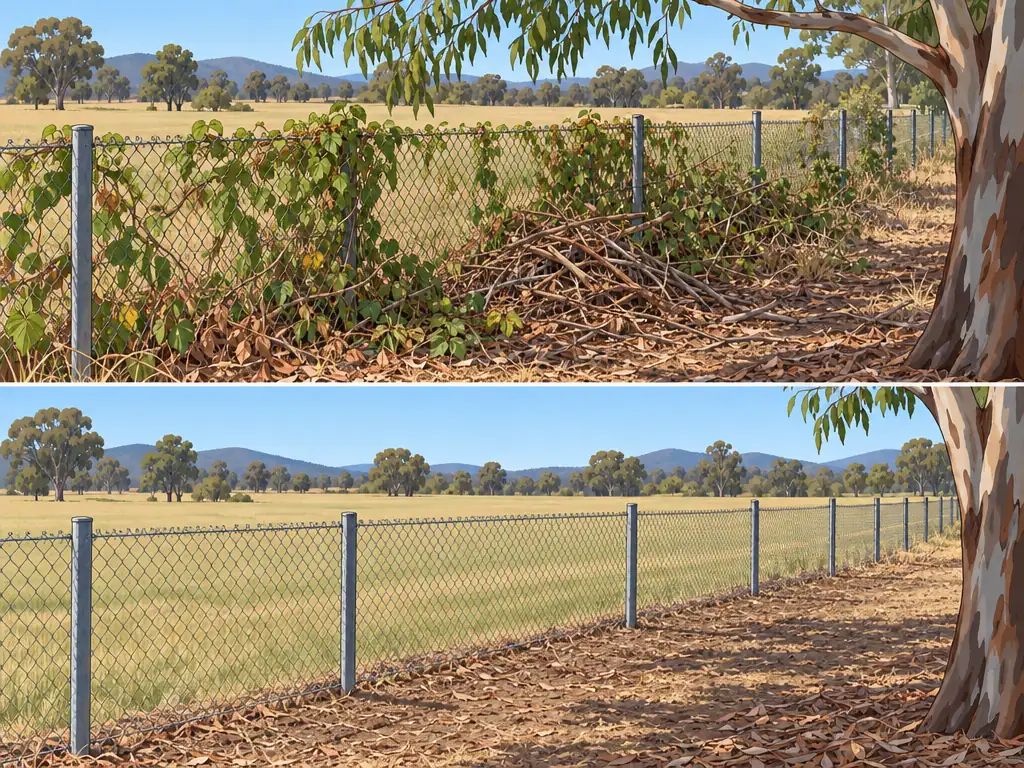
CSIRO's advice is plain: keep fences clear of overhanging trees, vines and creepers, and do not store garden waste or combustible mulch against them. The RFS home-preparation list is aimed at the house rather than the fence, but its habit of clearing leaves and debris and cutting back overhanging trees and shrubs is a good one to carry along the boundary.
On materials, honesty matters. CSIRO notes timber fences can ignite and spread fire, and non-combustible materials such as brick, stone, concrete or galvanised iron are preferred. The same page advises avoiding porous designs such as chain-link as a barrier against bushfire attack. Chainwire won't burn the way timber does, but it is not an ember or flame screen. Our comparison of chainwire, Colorbond, timber and welded mesh weighs those materials for other jobs.
Chip them, fill the green bin or take them to the tip, and keep the heap off the fence while it waits. Mulch suits the garden bed, but not piled against the fence.
Old fence material is never fuel. The EPA says never burn tyres, coated wire, paint or solvent containers, or certain treated timbers. Coated chainwire and treated posts from a replaced fence belong at the tip or a recycler.
Three situations, three next steps.
To start, send us the details through our contact form and tell us what the fence line needs.
Pictures in this guide are illustrations, not photos of our jobs.