
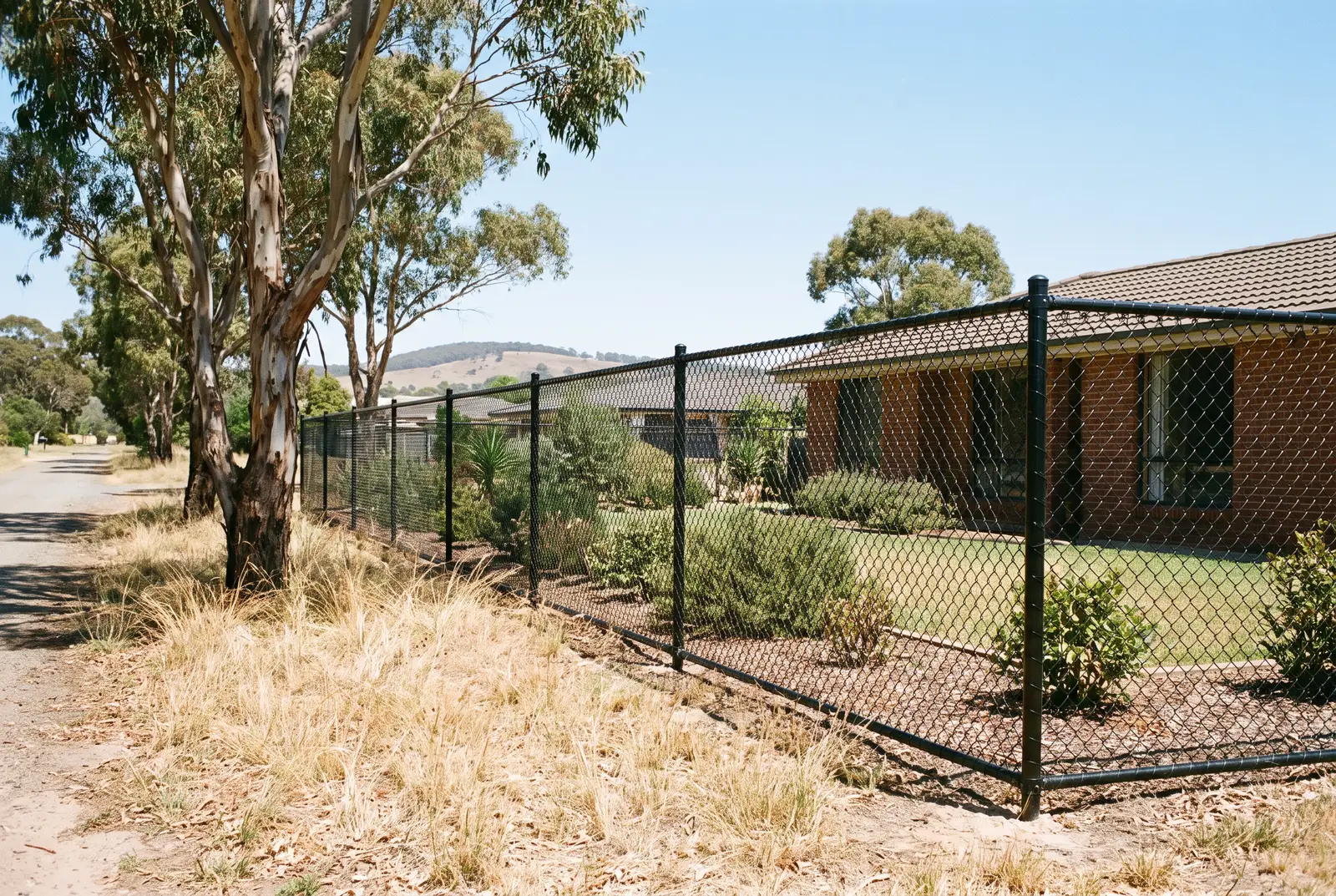
Black Chain Wire Fencing
Sleek, low-glare and corrosion resistant, for boundaries where looks matter as much as security.
Learn moreGalvanised chainwire, the dependable all-rounder, installed across Newcastle and the Hunter Region, NSW.
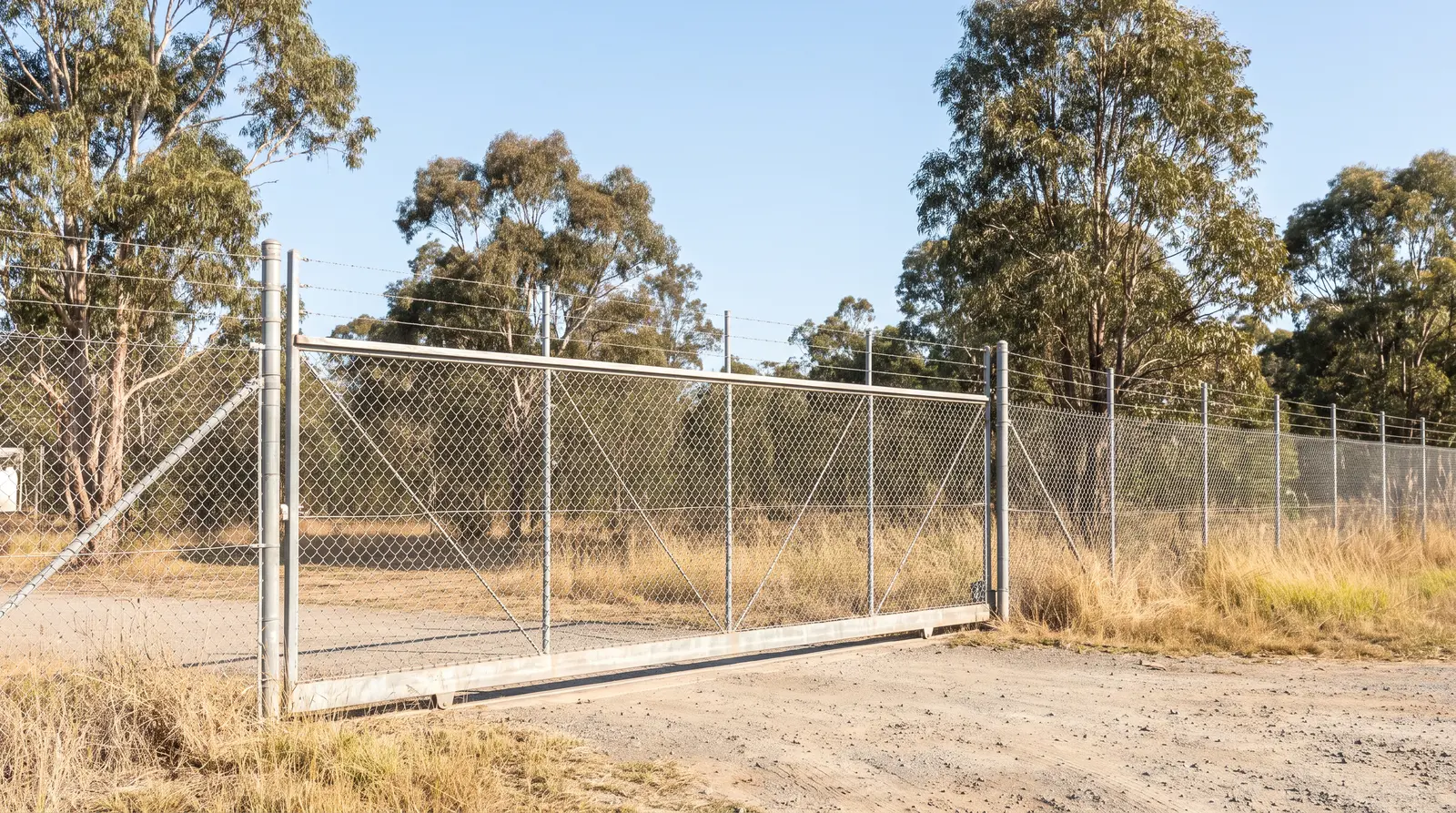
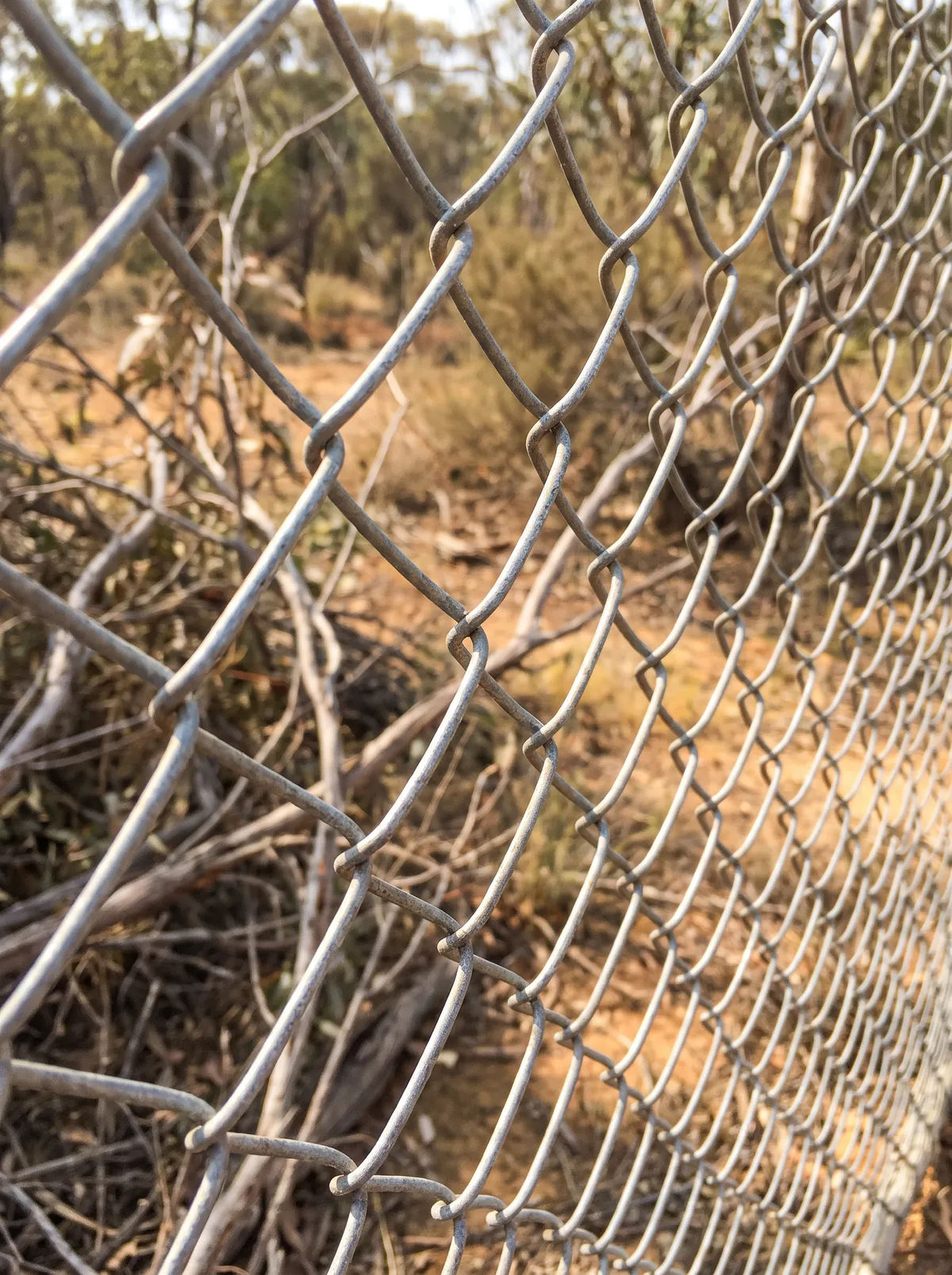
Galvanised chainwire is diamond mesh strained between galvanised posts and rails. It has stayed the default security fence for a simple reason: it covers long runs economically, it is hard to get through, and you can still see what is happening on the other side. Nothing else covers a large area as well for as little fuss.
The galvanising is what keeps it going. Zinc over steel resists rust well in the Hunter climate, and because the fence is open it takes very little wind load, which is part of why a properly strained chainwire run stays tight and true for a long time with almost no attention.
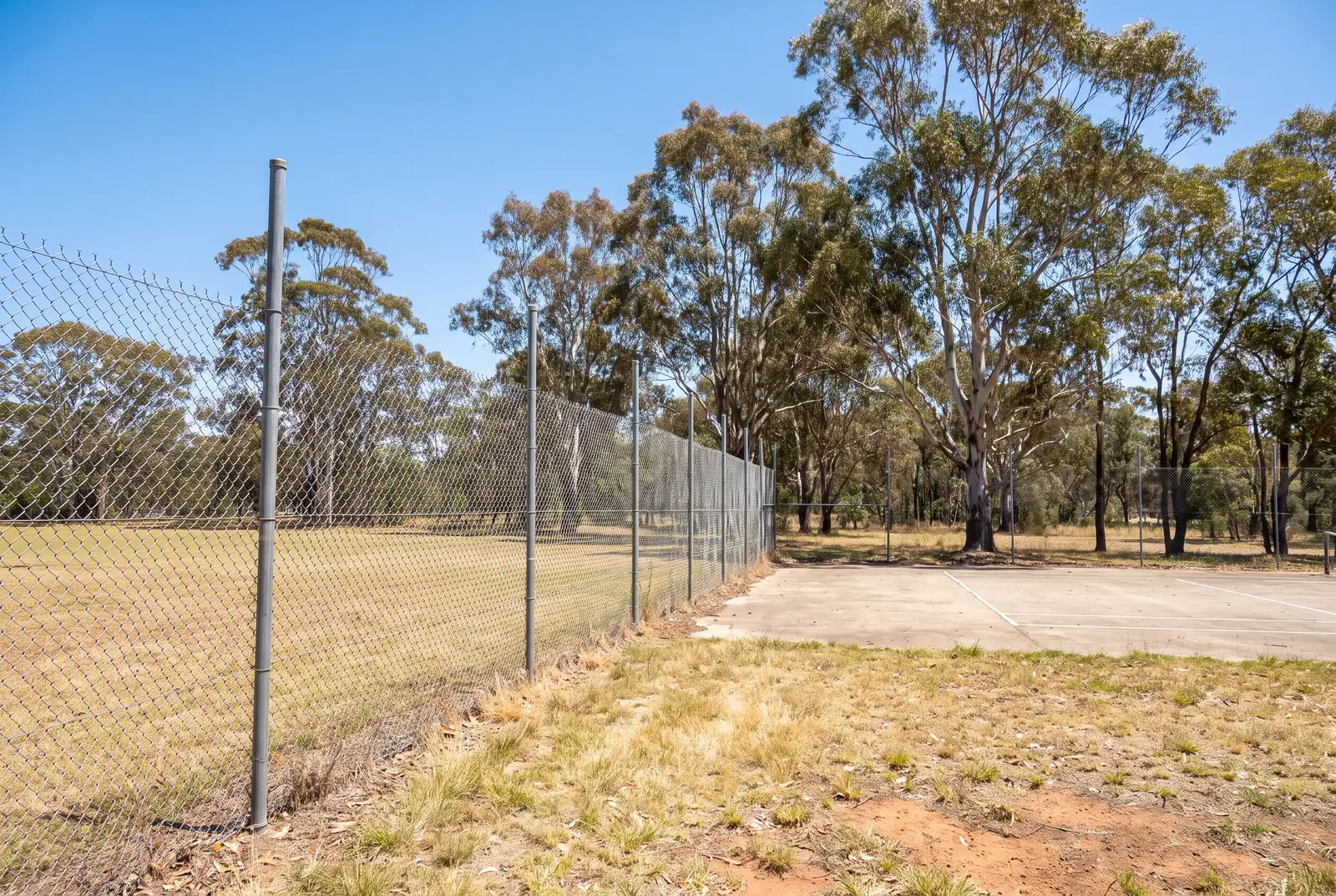
Chainwire goes almost anywhere a boundary has to be secure and affordable over distance.
The same fence can be specified a dozen ways. These are the choices that matter most.
Around 1.2 metres suits containment and a frontage you want to keep open. Between 1.8 and 2.4 metres is the usual range where security is the point, on a yard, compound or sporting field. Councils often set controls on front fence height in residential areas, and they differ by area. Where a pool is involved, the NSW pool barrier requirements govern the barrier and its gates.
A smaller mesh aperture and a thicker wire gauge make a fence harder to climb or cut, which is the way to go for security. A more open mesh is lighter and fine for a simple boundary. The two work together, so choose them as a pair and let the job the fence has to do lead the decision.
Chainwire is a strained fence, so the end, corner and gate posts take real load and are sized and footed accordingly, usually with a strut or a stay. Intermediate posts carry less and can be lighter. Sloping or reactive ground asks for more footing depth than a flat sandy block.
Plan the openings before the line is set out. A pedestrian gate on the path, plus a swing or sliding gate wide enough for the largest vehicle that needs to get in, covers most sites. Sliding gates suit a driveway with no room for a leaf to swing.
On properly set posts it is a long-life fence, and the galvanising is what does the work. Closer to the coast, salt air speeds up corrosion on any steel, which is where PVC-coated black chainwire adds a second layer of protection.
Yes. Barbed wire arms are commonly fitted to the tops of chainwire posts to lift the security of a perimeter, and this is often done as a later upgrade. Council controls on barbed wire vary by area and by where the fence sits, so it depends on the property.
It is. For a home it is usually specified lower and lighter than a yard fence, and many owners choose the black PVC-coated version for a tidier look. What suits depends on whether you are containing a pet, marking a boundary or securing a rear lane.
Yes. Chainwire handles uneven ground well, because the mesh can be raked to follow a fall rather than stepped, which avoids gaps under the line. How the run is set out depends on how steep the ground is.
Not sure this is the one? Here is the rest of what we install across Newcastle and the Hunter.
Sleek, low-glare and corrosion resistant, for boundaries where looks matter as much as security.
Learn more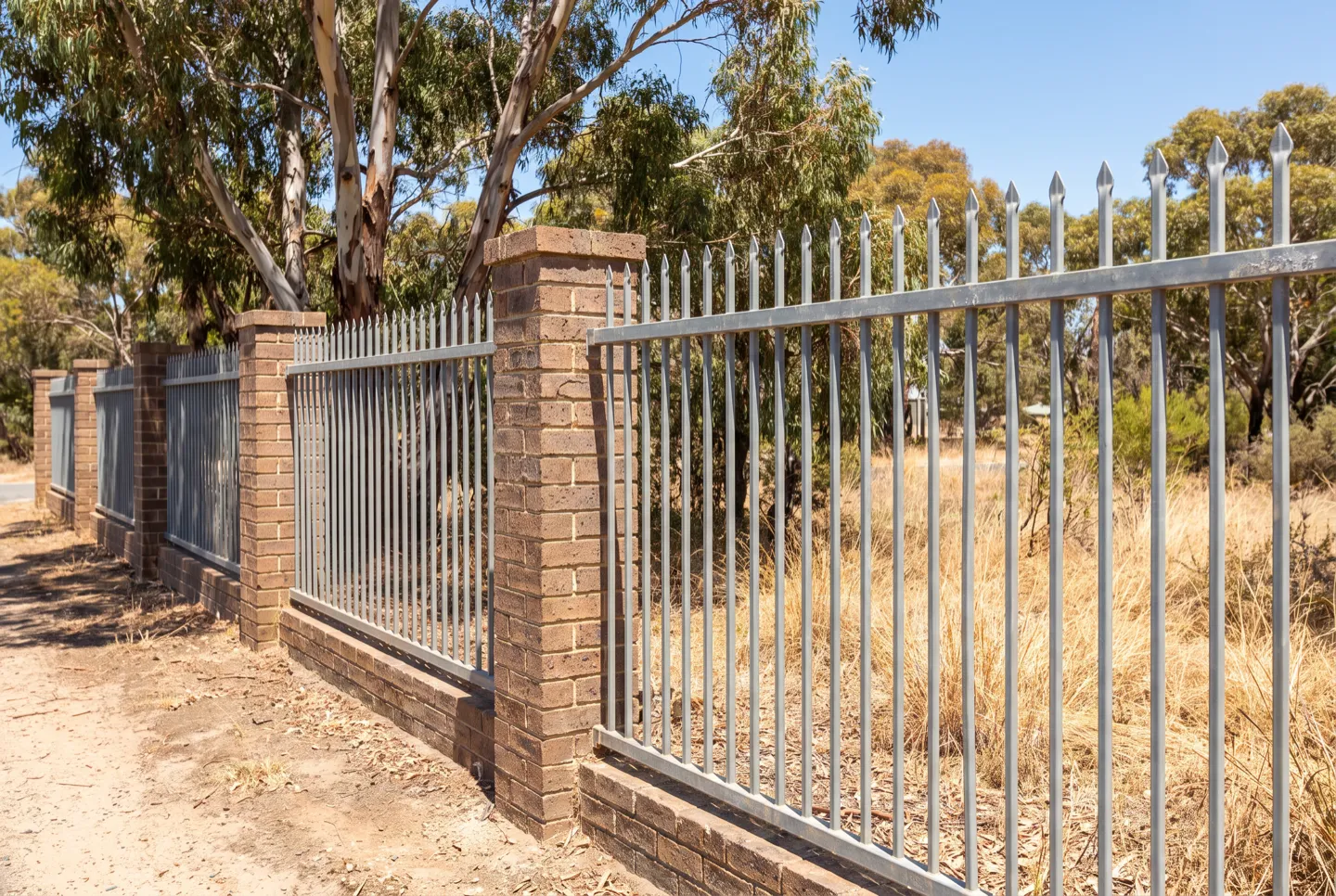
Security with street appeal, deterring climbers while lifting a frontage.
Learn more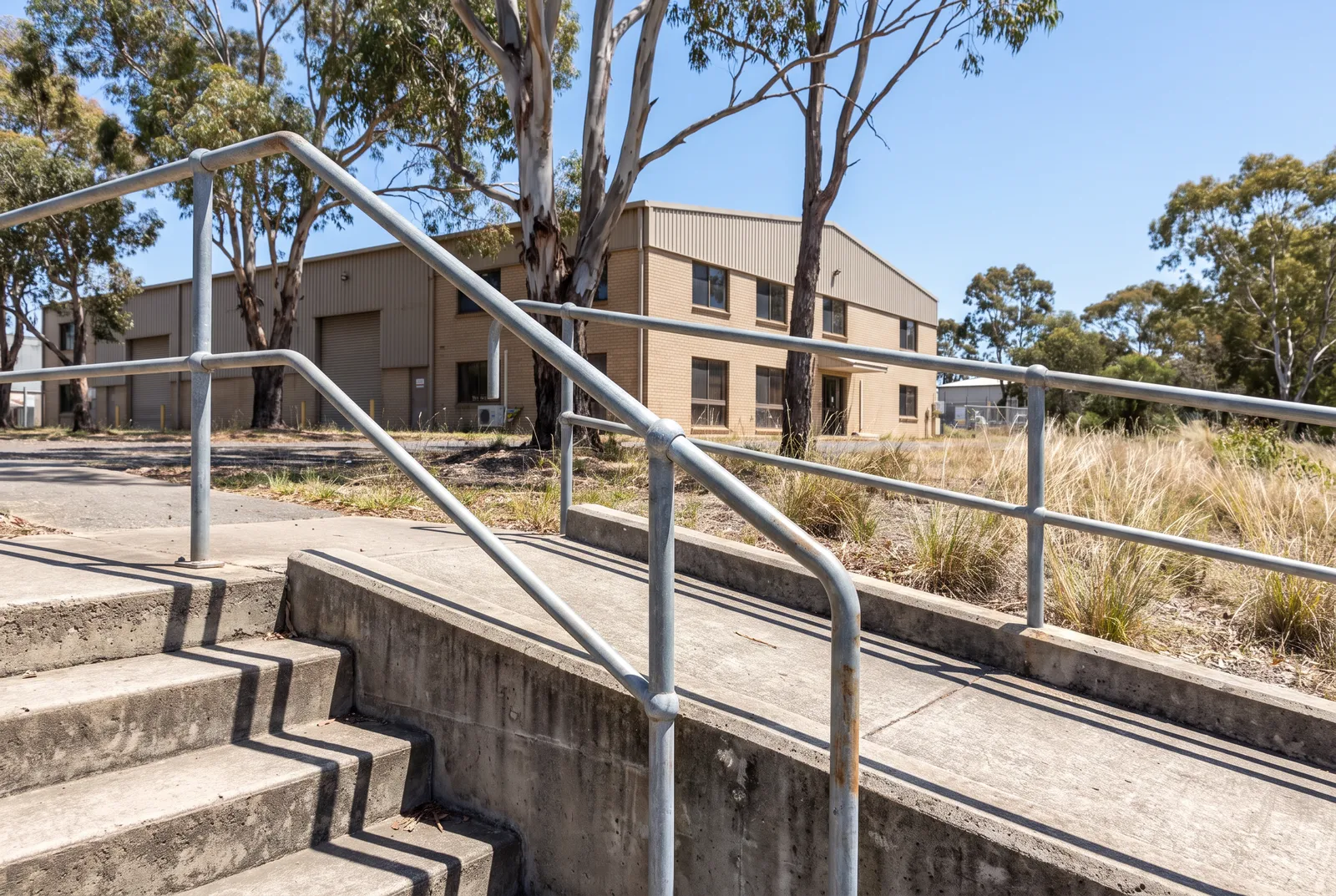
Safety and stability for stairs, ramps and walkways, in a weatherproof finish.
Learn more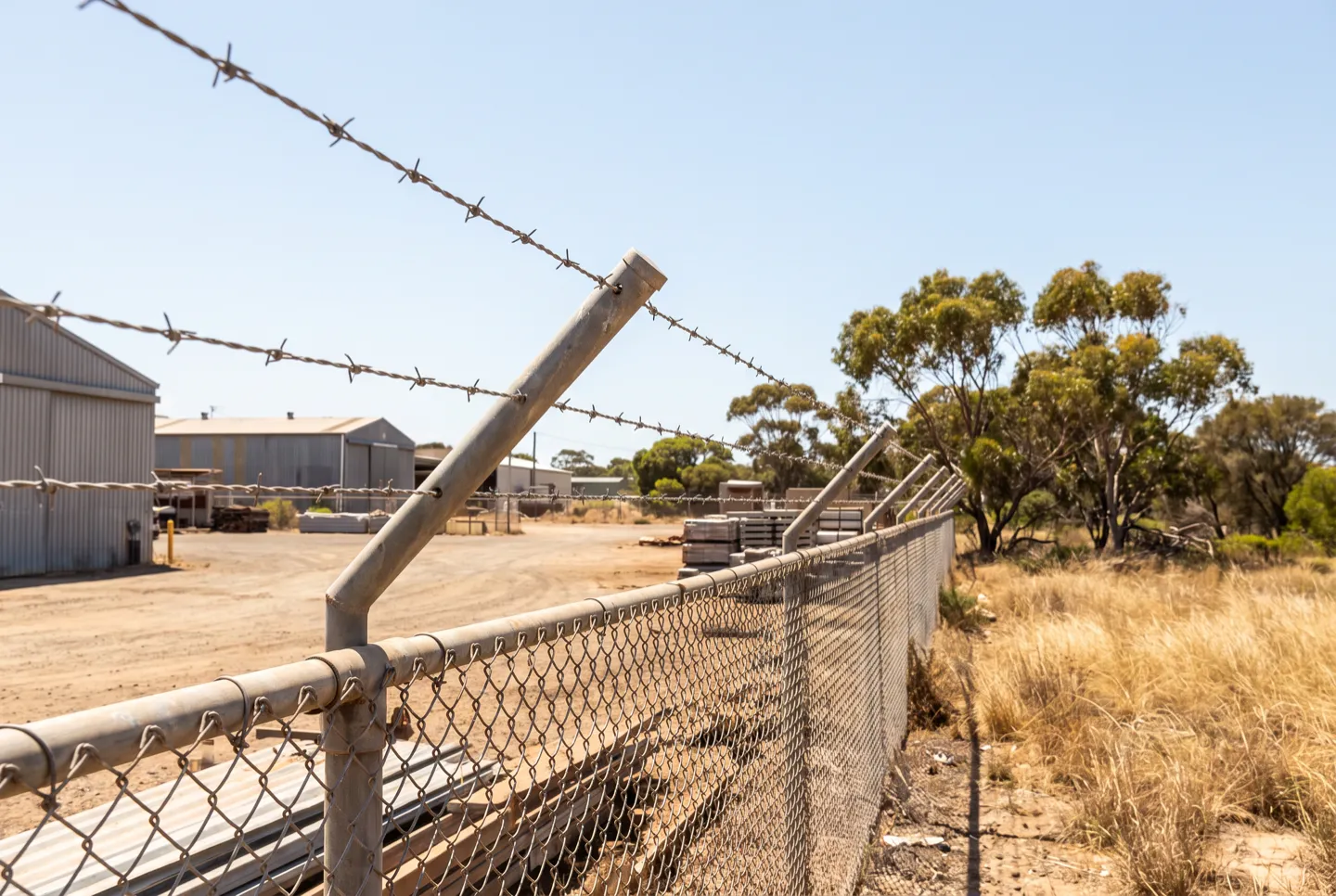
The rugged deterrent, topping off a perimeter on industrial and rural sites.
Learn moreTell us about the property and what you want the fence to do. We will recommend the right option and put together a quote.
Get a Quote