
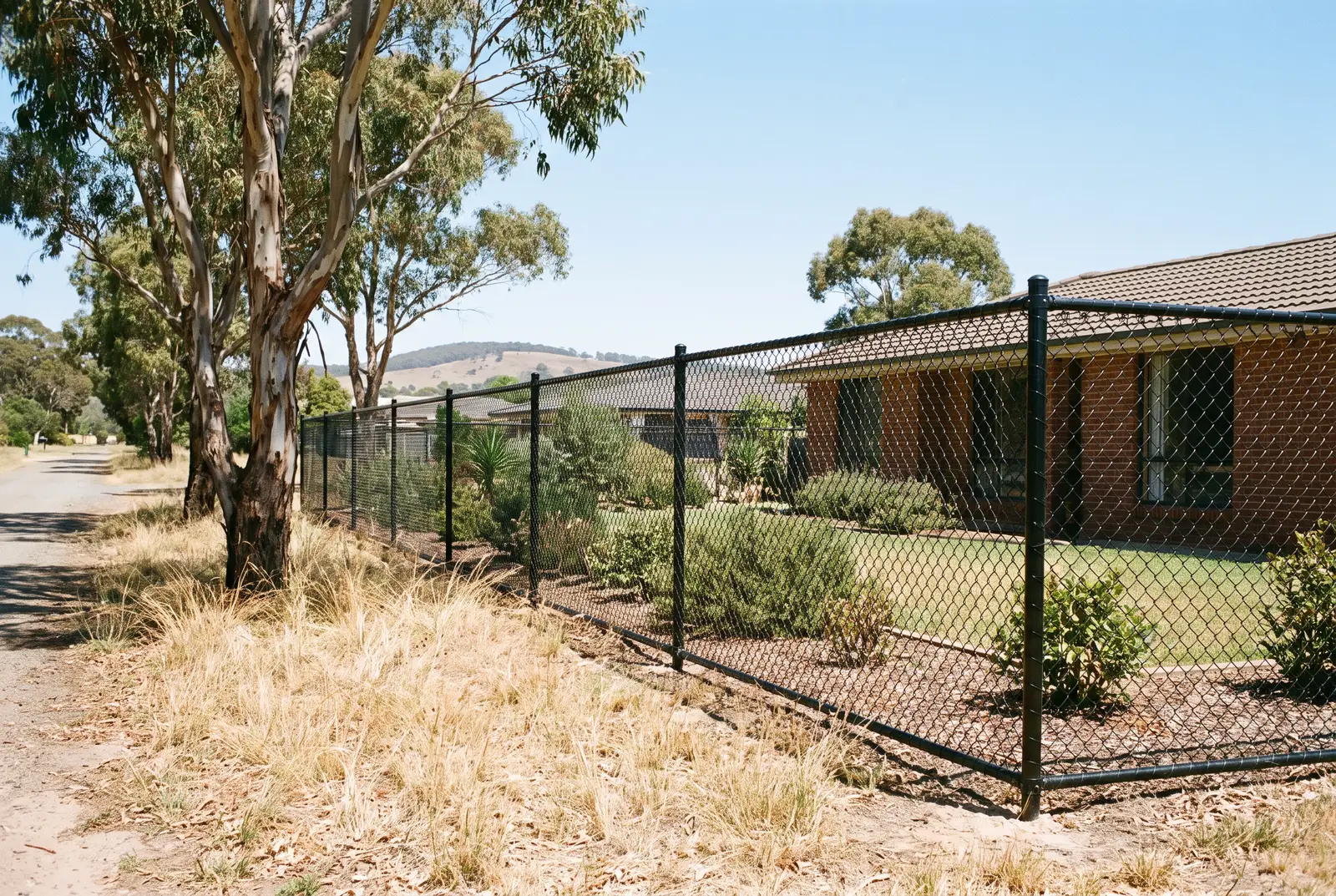
Black Chain Wire Fencing
Sleek, low-glare and corrosion resistant, for boundaries where looks matter as much as security.
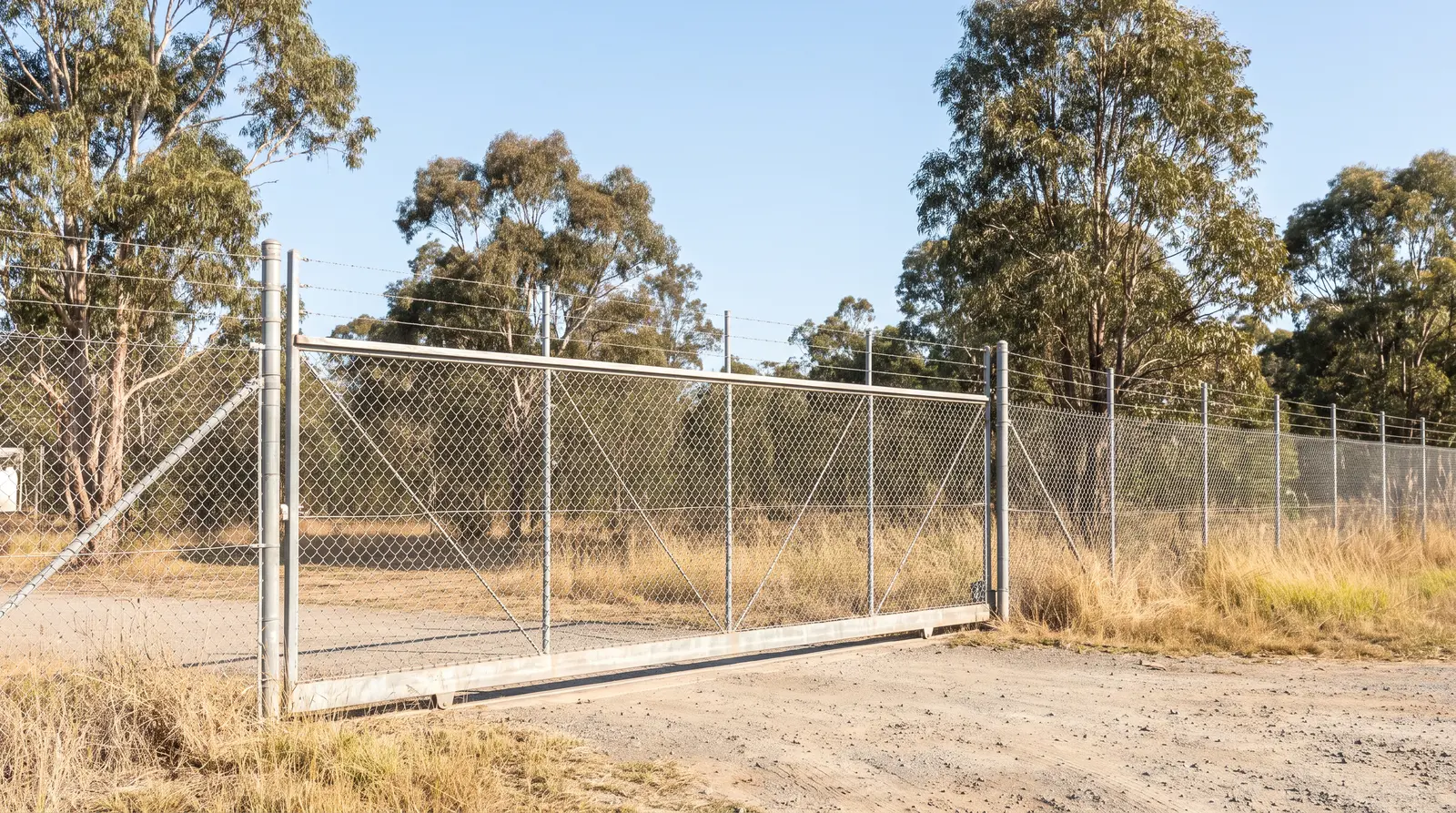
Learn moreThe rugged perimeter deterrent for industrial, rural and commercial sites across Newcastle and the Hunter Region, NSW.
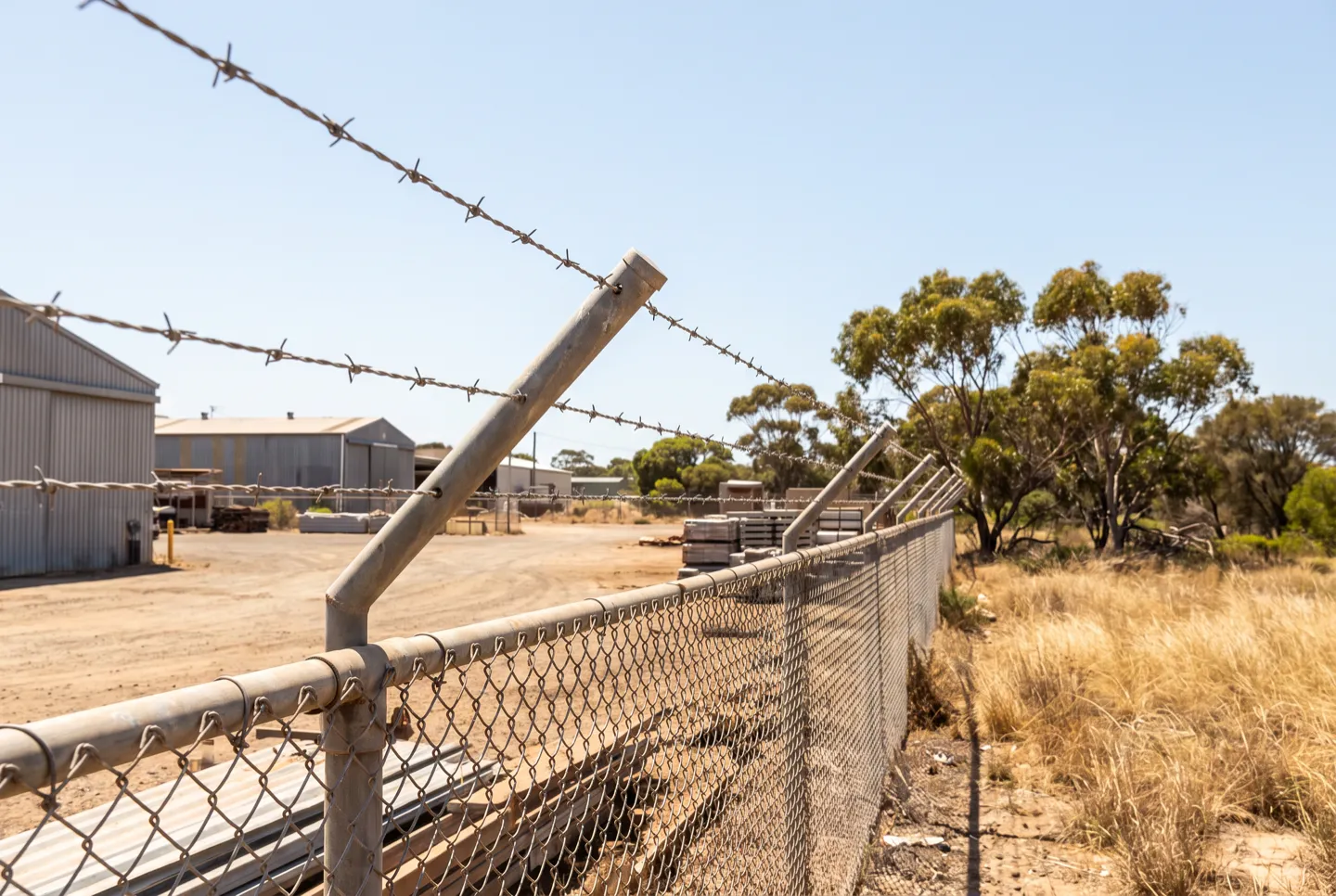
Barbed wire is rarely the whole fence. It is the extension that finishes one: strands of galvanised barbed wire strained along arms fitted to the tops of the posts, sitting above a chainwire or weldmesh panel. That last stretch is where a perimeter is usually tested, and it is the part that decides whether going over the fence looks worth attempting.
It works because it is unmistakable. Anyone approaching can see at a glance what the top of the fence is going to cost them, and that visibility is most of the deterrent. Set on galvanised arms and properly strained, it adds meaningful height and difficulty to a perimeter for very little added material.

Barbed wire belongs where the priority is keeping people out, not how the fence looks from the footpath.
Barbed wire is a security fitting with rules attached, so a few things get settled before it goes up.
Barbed wire is normally carried on arms above a fence of 1.8 metres or more, so the barbs sit well out of casual reach. Arms can be angled outward, inward or in a V, and the direction changes what the extension does: outward pushes back against someone coming in, inward makes leaving with something awkward. Which suits depends on the site.
Galvanised barbed wire is the standard, with heavier coatings available for exposed and coastal sites. Three strands per arm is common and more can be run where the arms allow. The arms take real load once the wire is strained, so the post and the arm get chosen together rather than separately.
An extension raises the fence and increases the leverage on every post, so the posts and footings carry more than they would under mesh alone. End, corner and gate posts take the strain of the wire and are sized and stayed for it. Retrofitting means checking whether the posts already in the ground can take it.
Councils in NSW commonly restrict barbed wire where it overhangs a public footpath or a neighbouring property, or where the fence faces a residential street, and those controls differ from one area to the next. Warning signage is usual practice on a barbed perimeter. What applies depends on the property and its zoning, so check with your council.
Often, yes. It comes down to whether the existing posts and footings can take the extra height and load once the arms are fitted and the wire is strained. The fence gets assessed first, and where the posts are not up to it they need attention before the extension goes on.
It is commonly restricted there. Councils across NSW set controls on barbed wire, particularly where it would overhang a footpath or a neighbouring property or face a residential street, and those controls vary by area. What is permitted depends on your property and its zoning, so confirm with your council.
Angled outward is the usual choice for keeping intruders out, since it puts the barbs in the way of anyone climbing from outside. Inward-facing or V-shaped arms suit sites more concerned with what leaves than what arrives.
The wire is galvanised, and heavier zinc coatings are made for exposed and coastal conditions. As with any steel near the ocean, the coating weight is worth matching to the exposure rather than defaulting to the lightest option.
Not sure this is the one? Here is the rest of what we install across Newcastle and the Hunter.
Sleek, low-glare and corrosion resistant, for boundaries where looks matter as much as security.
Learn more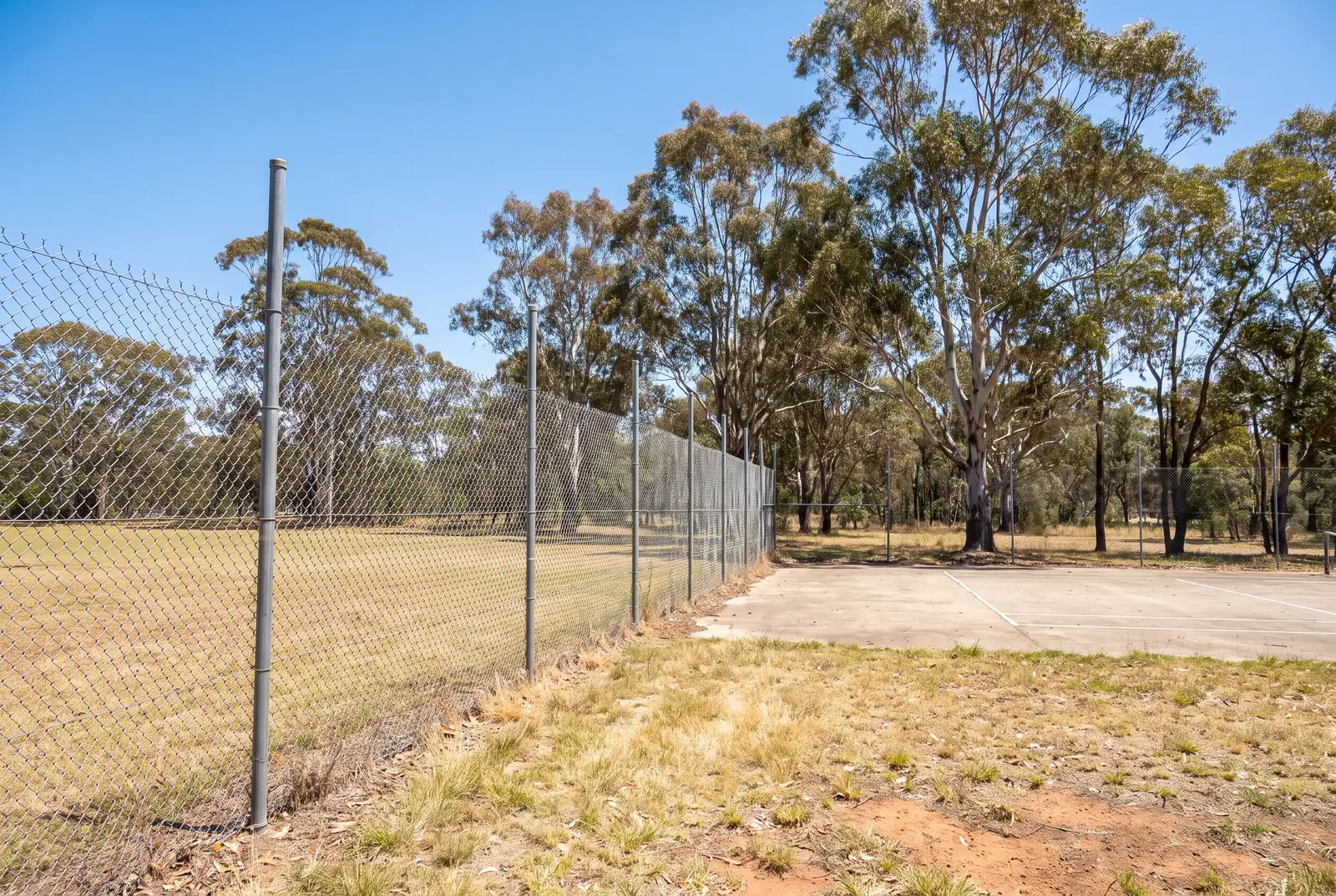
The time-tested all-rounder, giving robust see-through security over long runs.
Learn more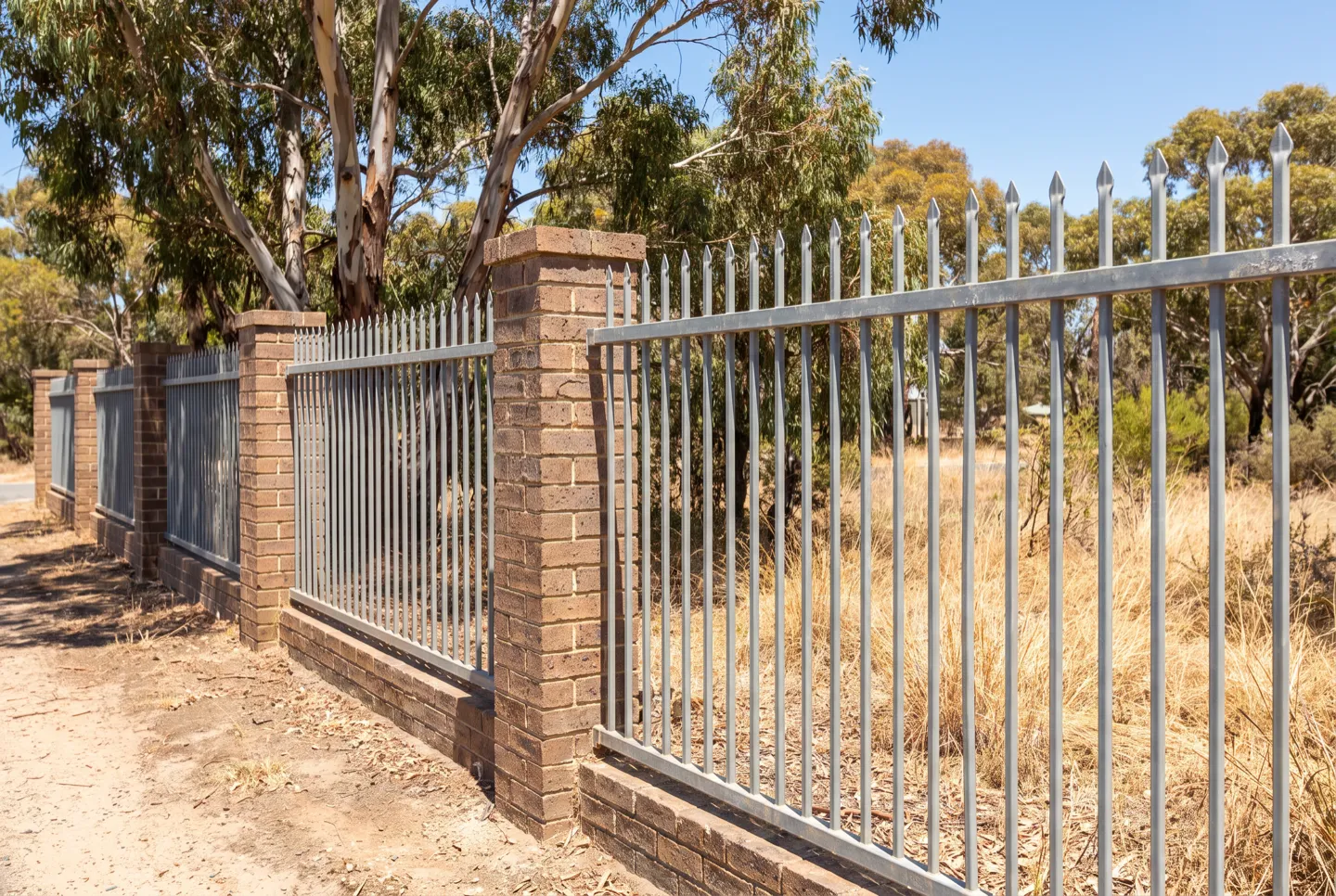
Security with street appeal, deterring climbers while lifting a frontage.
Learn more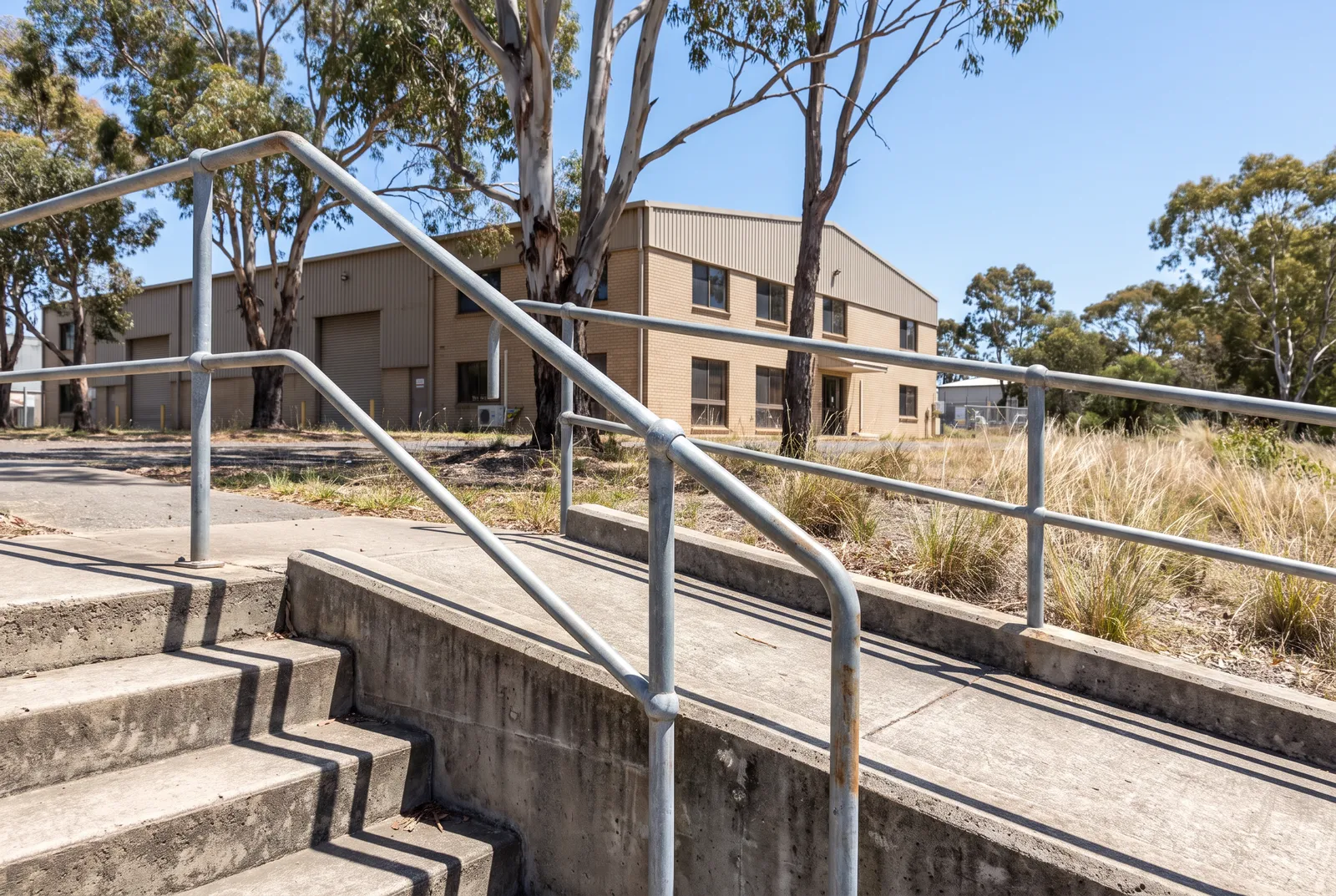
Safety and stability for stairs, ramps and walkways, in a weatherproof finish.
Learn moreTell us about the property and what you want the fence to do. We will recommend the right option and put together a quote.
Get a Quote