
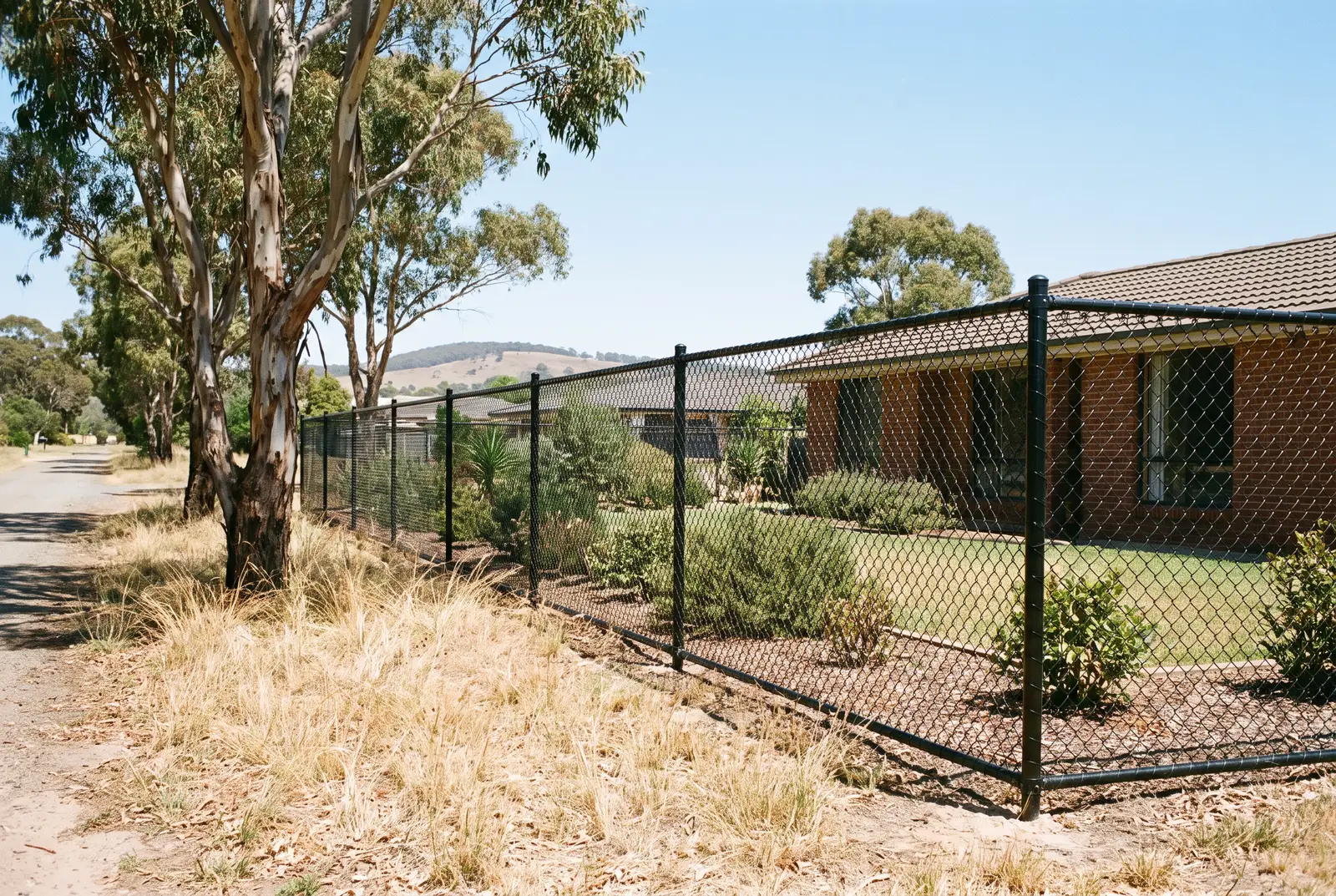
Black Chain Wire Fencing
Sleek, low-glare and corrosion resistant, for boundaries where looks matter as much as security.
Learn moreHandrails and balustrade for stairs, ramps and walkways across Newcastle and the Hunter Region, NSW.
A galvanised pipe handrail is a simple thing done carefully: tube of the right diameter, set at the right height, fixed so it will not move, with the joins and bends worked so there is nothing to catch a hand on. It is the fixture people reach for without thinking, which is exactly why the detailing has to be right.
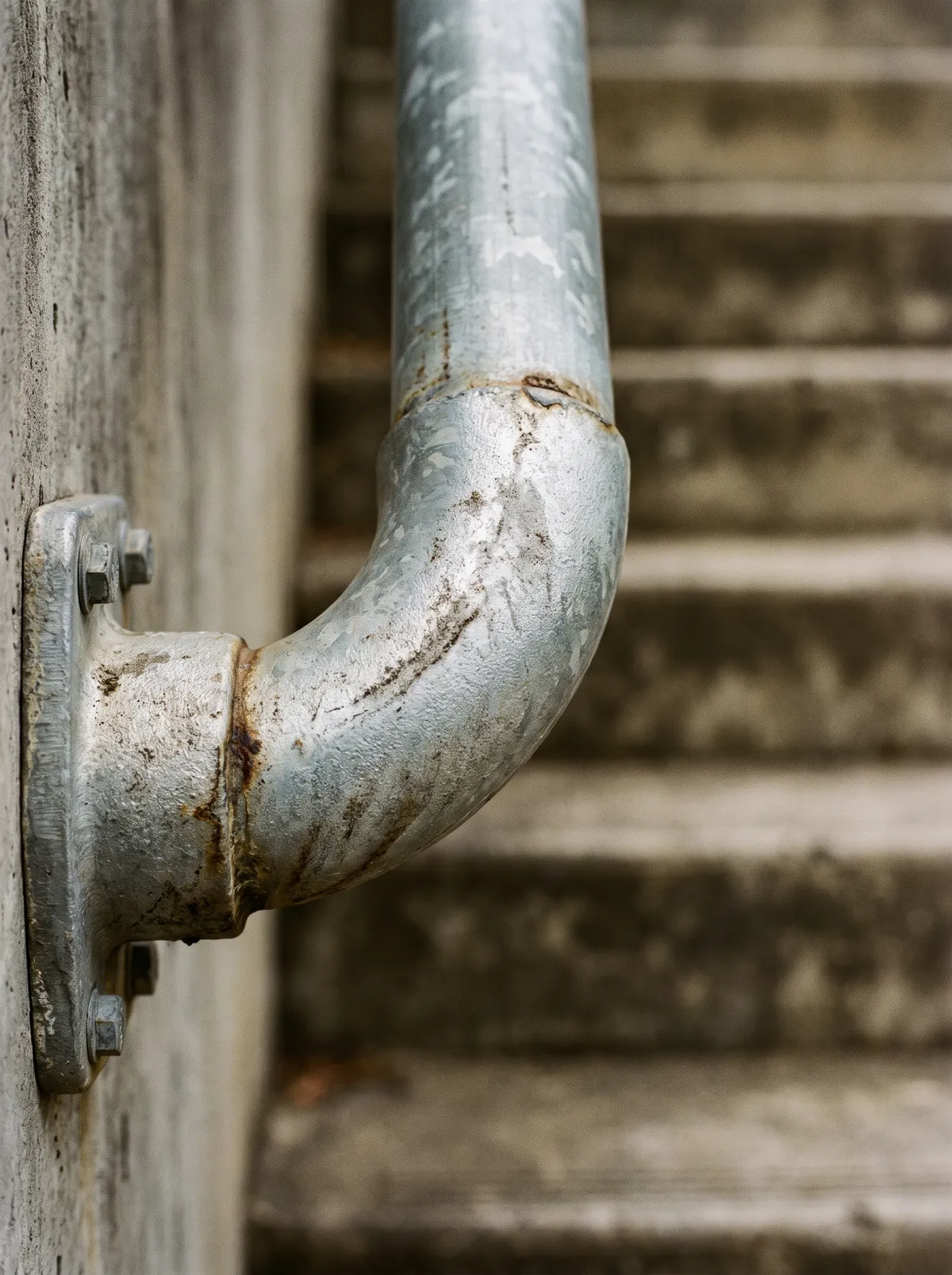
Hot-dip galvanising is what makes it an outdoor fitting rather than an indoor one. The zinc coating goes right through the tube inside and out, so an external stair or a ramp exposed to Hunter weather keeps its rail in service for a long time with no painting and next to no upkeep.
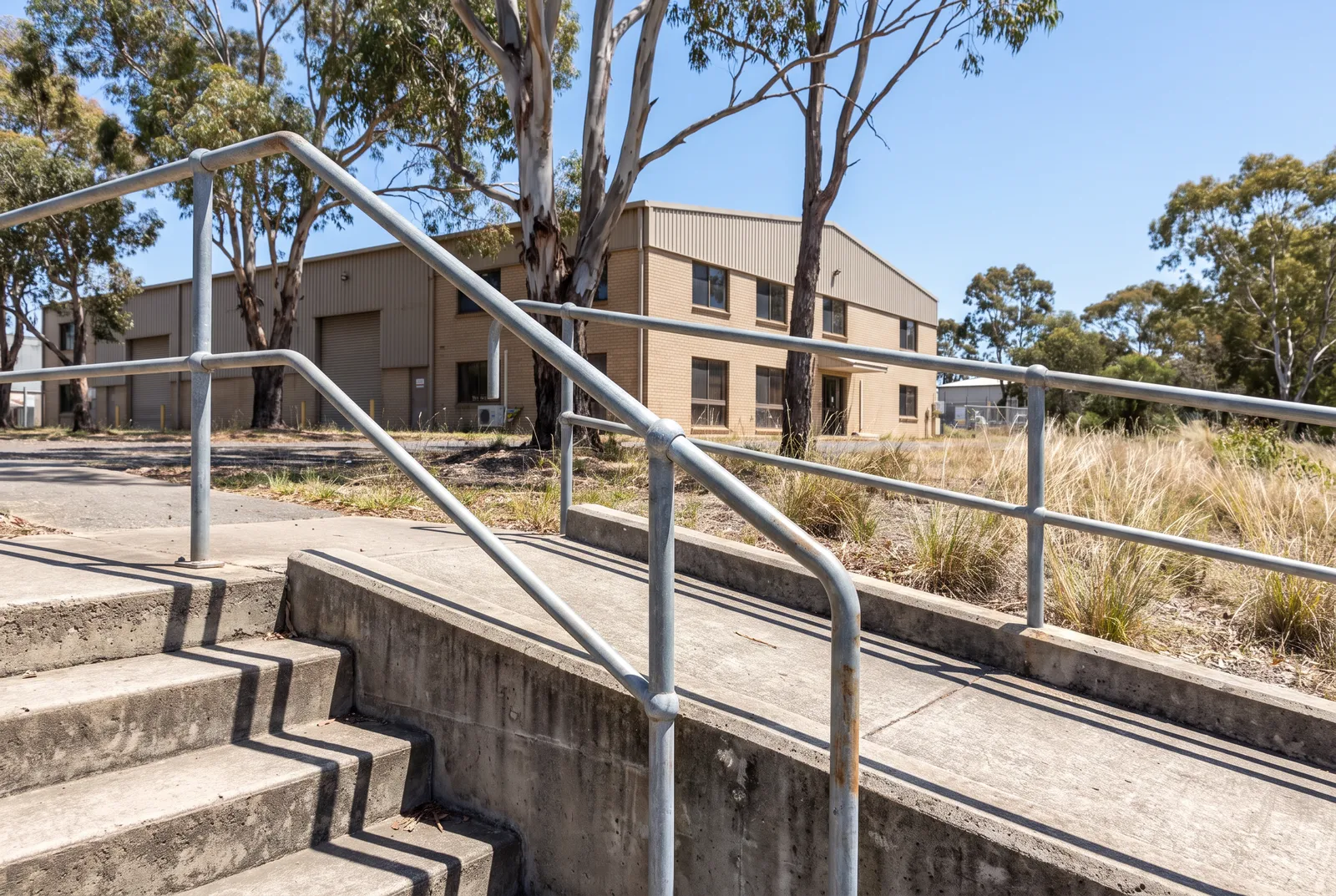
Handrails turn up wherever a change of level meets people on foot.
Handrails are a safety fitting, so the specification is led by the building rather than by taste.
Handrail and balustrade heights on stairs, ramps and walkways are set by the National Construction Code and the related Australian Standards, with different minimums for a handrail and for a barrier at a fall height. What applies comes down to the building, its classification and how far the drop is, so the rail is worked out from the actual situation rather than a rule of thumb.
Tube diameter is chosen so a hand can close around it comfortably and keep hold. Hot-dip galvanising is the standard external finish because it protects the inside of the tube as well as the outside. Powder coating over the galvanising is available where the rail has to match a colour scheme.
How the rail is held down depends on what it lands on. Core-drilled and grouted into concrete, base-plated and bolted down, or side-fixed to a stringer or wall are the common approaches. The fixing has to resist the sideways load a person puts through a rail, so the substrate gets looked at before anything is set out.
Continuity is what makes a rail useful. Returns at the ends, a rail carried through landings and a graspable profile with no snag points all matter more than they look. Where a stair or ramp is part of an accessible path of travel there are further requirements around extensions and clearances, depending on the building.
It is set by the National Construction Code and the relevant Australian Standards rather than by preference, and the figure differs between a handrail on a stair or ramp and a barrier where there is a fall. What applies depends on the building, so it is worked out on site.
Hot-dip galvanising coats the inside of the tube as well as the outside, which is where painted steel usually fails first. For an external rail in the Hunter, and particularly near the coast, that inside protection is the difference between a long service life and rust working outward.
Usually yes. It depends on what the rail can be fixed to, so the stringers, concrete or wall get assessed first and the fixing method follows from that. Send through what you have and where it is when you enquire.
Yes. Powder coating goes over the galvanising, so the rail keeps its corrosion protection and picks up the colour as well.
Not sure this is the one? Here is the rest of what we install across Newcastle and the Hunter.
Sleek, low-glare and corrosion resistant, for boundaries where looks matter as much as security.
Learn more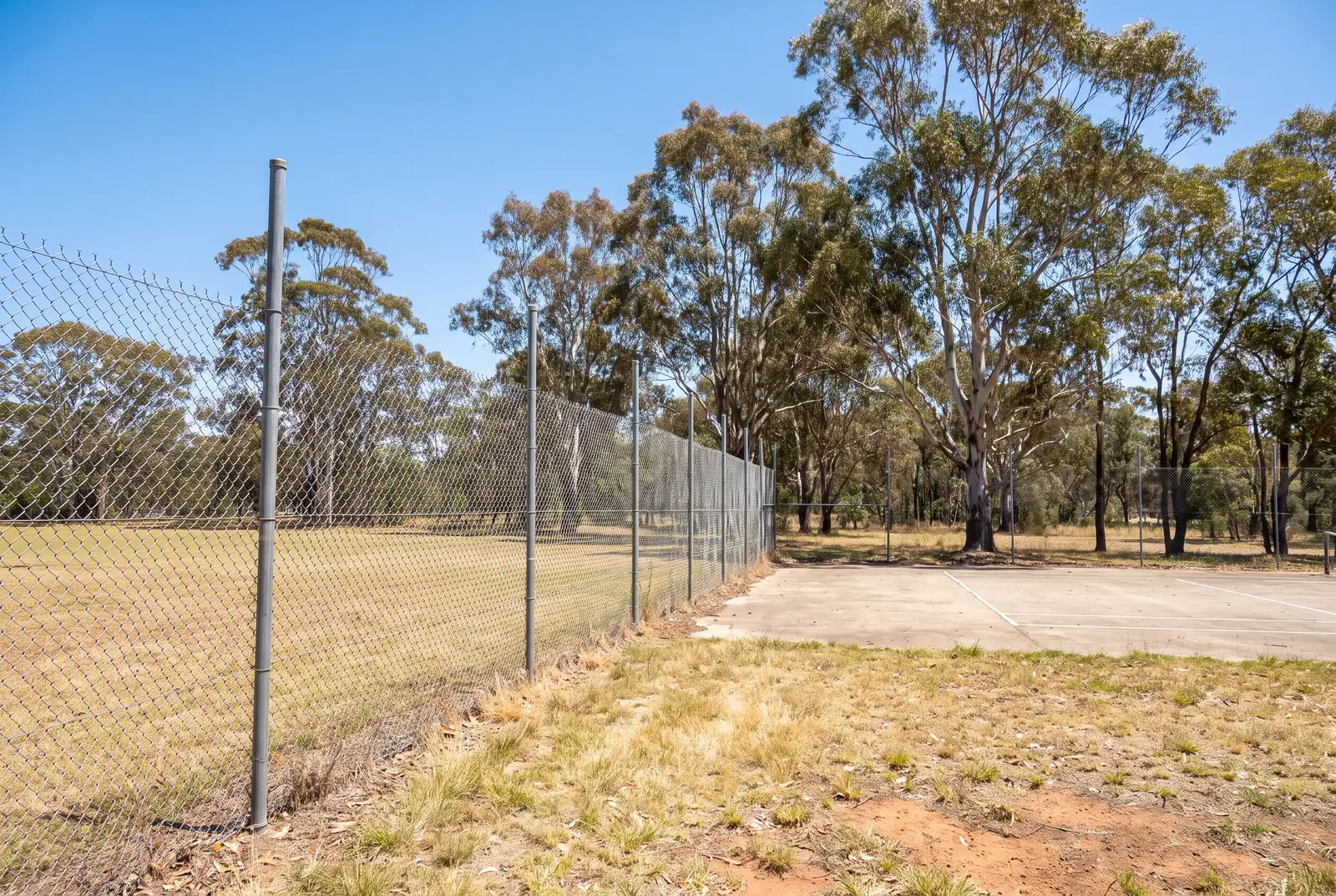
The time-tested all-rounder, giving robust see-through security over long runs.
Learn more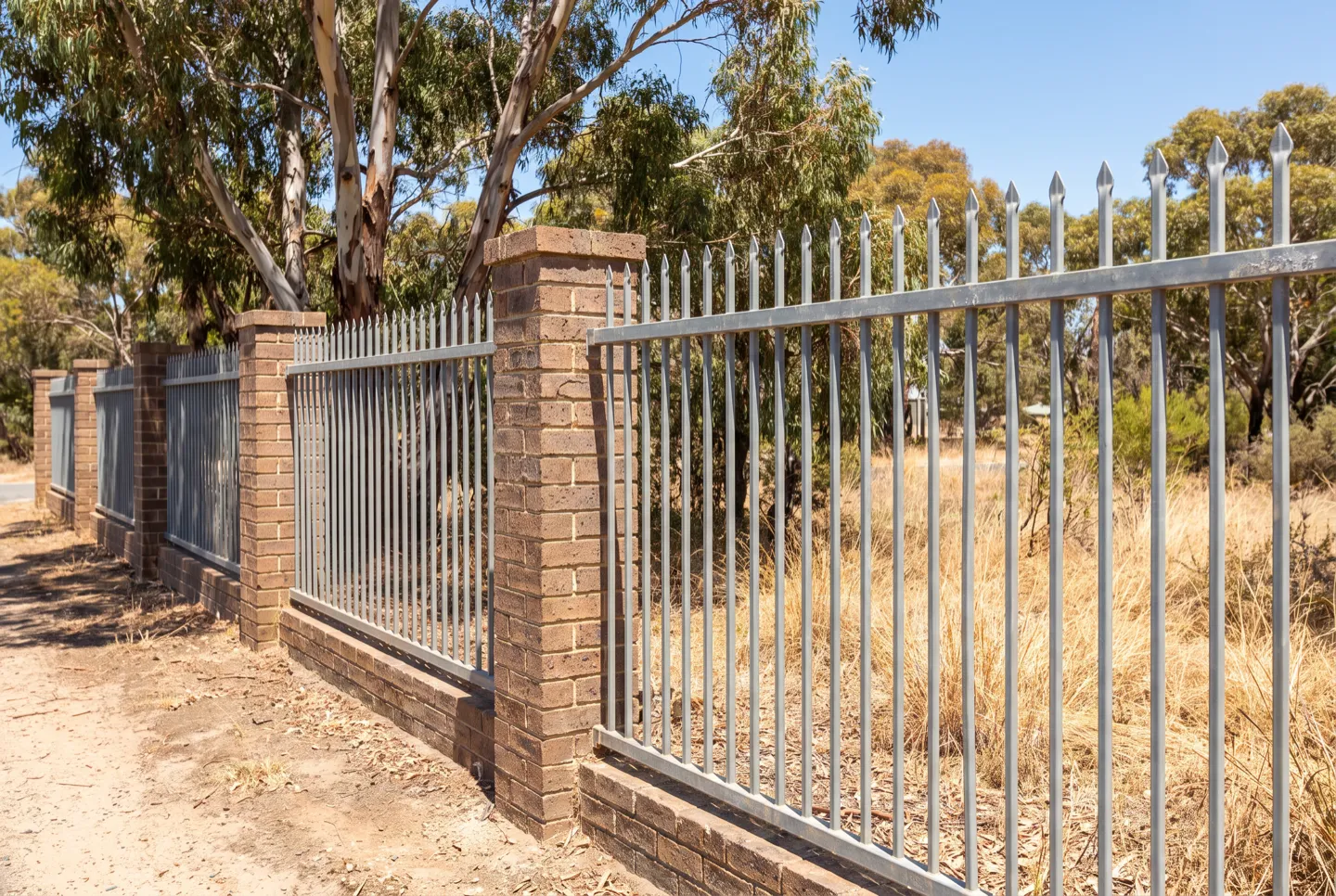
Security with street appeal, deterring climbers while lifting a frontage.
Learn more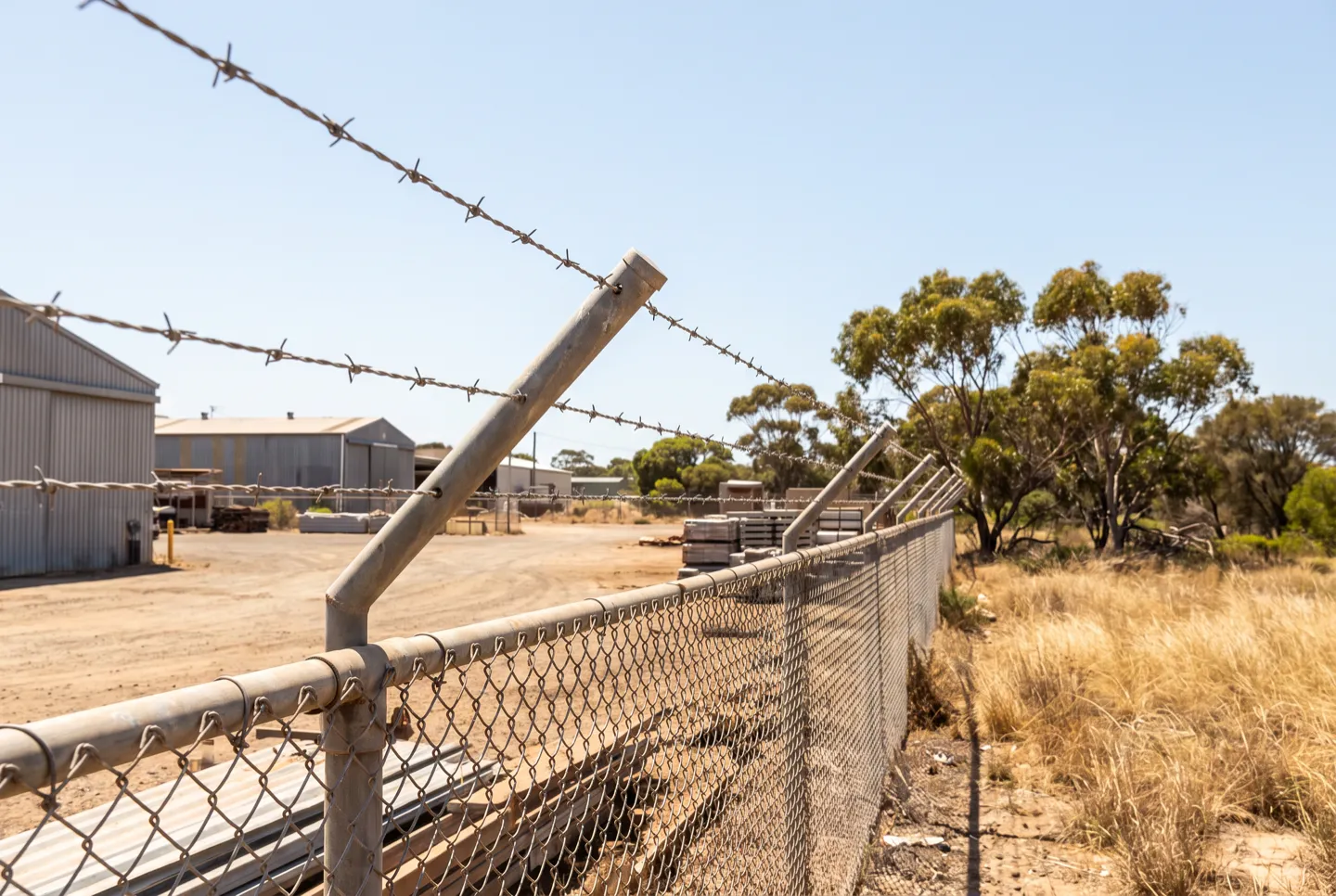
The rugged deterrent, topping off a perimeter on industrial and rural sites.
Learn moreTell us about the property and what you want the fence to do. We will recommend the right option and put together a quote.
Get a Quote